Les Moulins Mahjoub
ProductsBlog Posts
Les Moulins Mahjoub
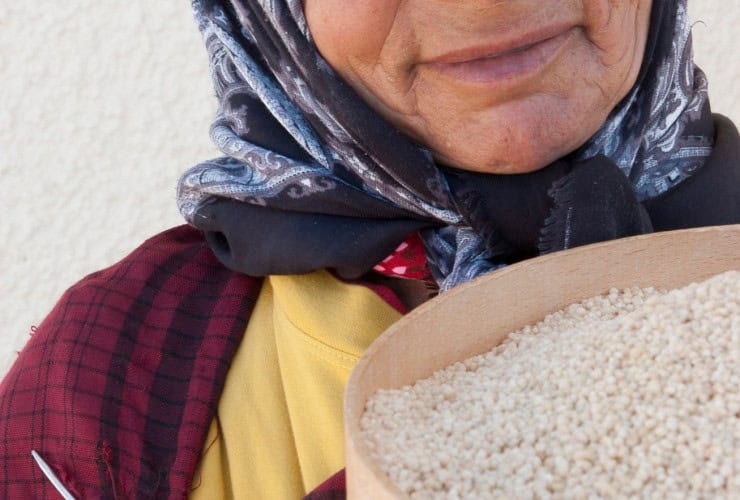
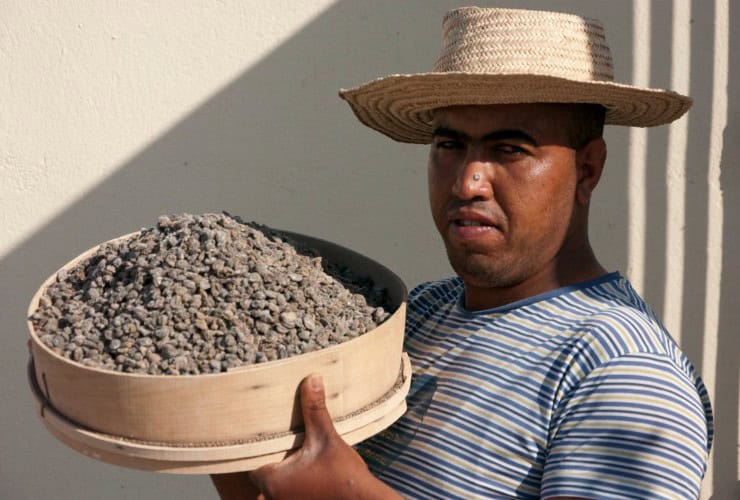
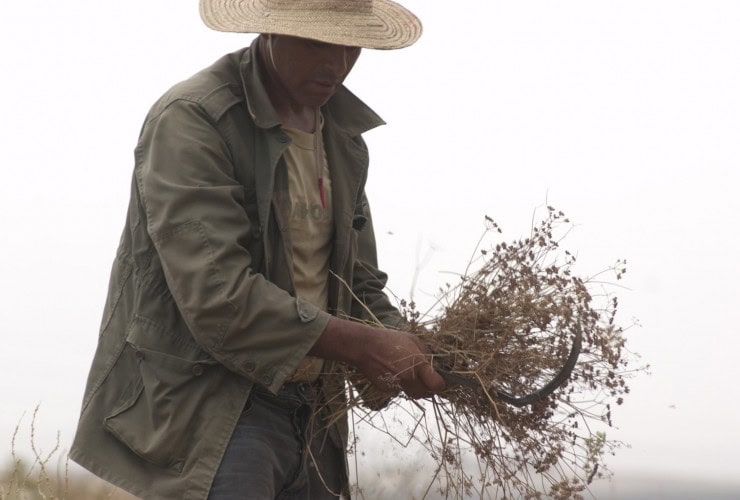
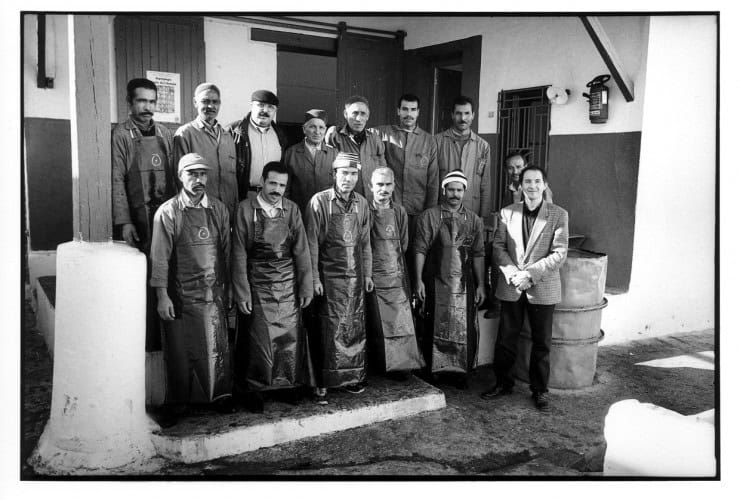
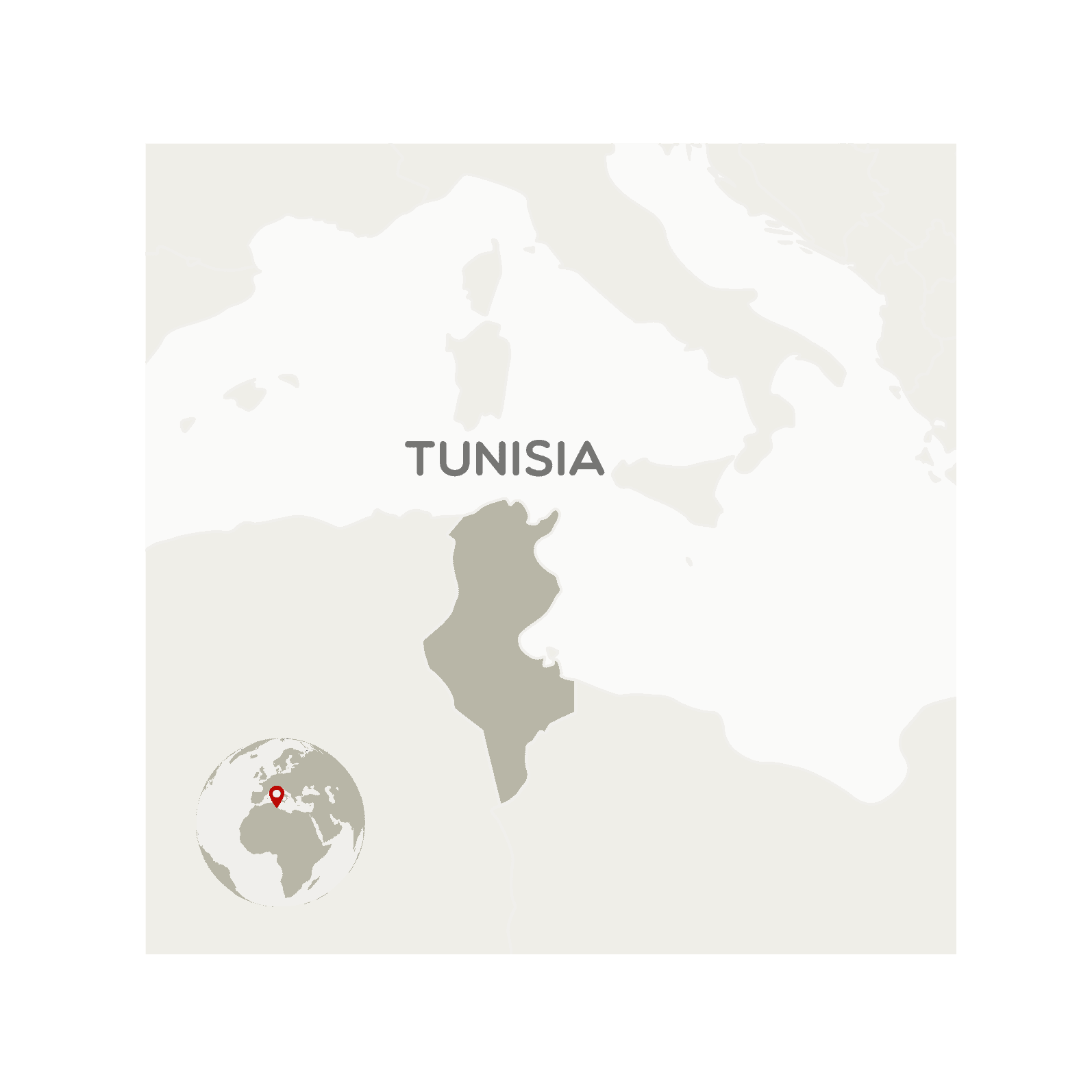
In the fertile Mejerda Valley of Tunisia—where Romans once harvested grain in such abundance the region was called the “breadbasket of the Empire”—the Mahjoub family has been farming the same land since the 18th century. For four generations, they have proven that the old ways are not just nostalgic, they’re revolutionary.
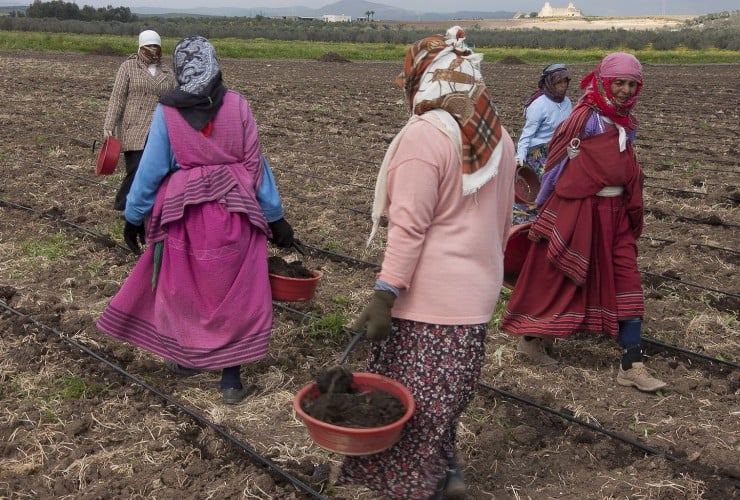
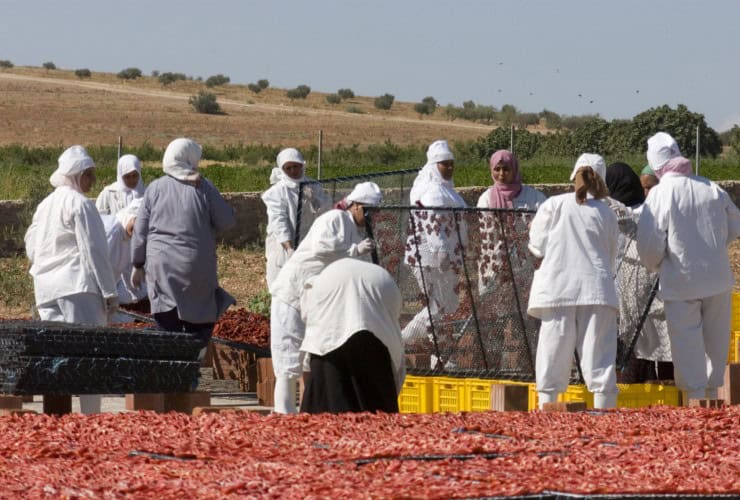
Conservation isn’t separate from farming here—it’s foundational. They keep bees as bioindicators, so sensitive to environmental changes they serve as the farm’s alarm system. Ghazi Mahjoub, agricultural manager, rehabilitates injured raptors and migratory birds (80 so far, the only one in Tunisia doing this work), transforming the farm into a sanctuary where biodiversity thrives. The entire town is employed during olive harvest: older women climb the trees, younger women gather fruit, singing traditional Berber songs while they work.
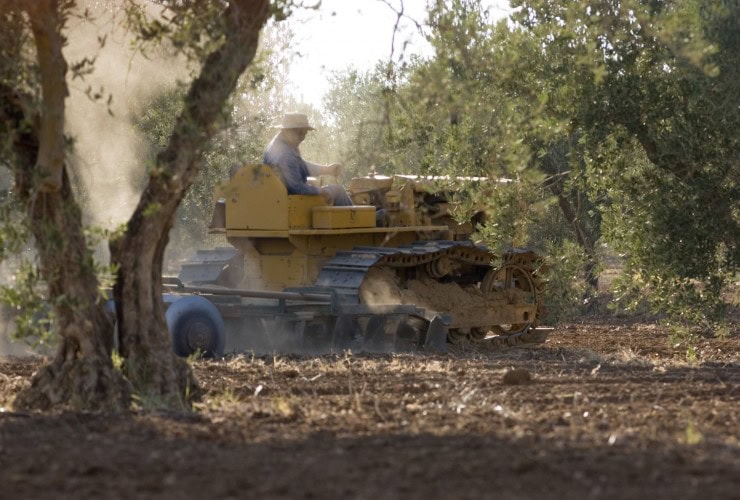
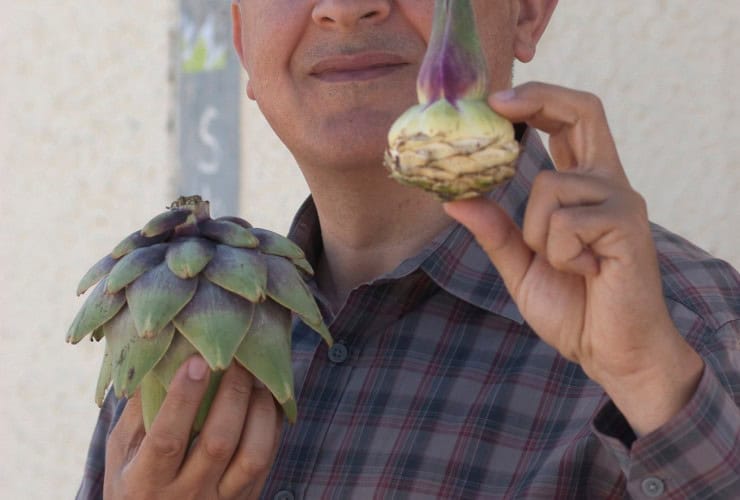
This is regenerative agriculture as it should be: a thriving, closed-loop ecosystem where nothing is wasted and everything gives back. The “olive water” from oil pressing irrigates the groves. Olive pulp becomes compost. Nitrogen-rich fava beans are tilled into the soil between harvests—never leaving earth bare under the Tunisian sun. Cow manure is collected from neighbors “cow manure is our gold,” says Ghazi Mahjoub. Fig and mulberry trees provide shade that captures precious humidity while their fruit becomes jam. Artichoke stems, leaves, hearts—all harvested, preserved, or composted and returned to the fields.
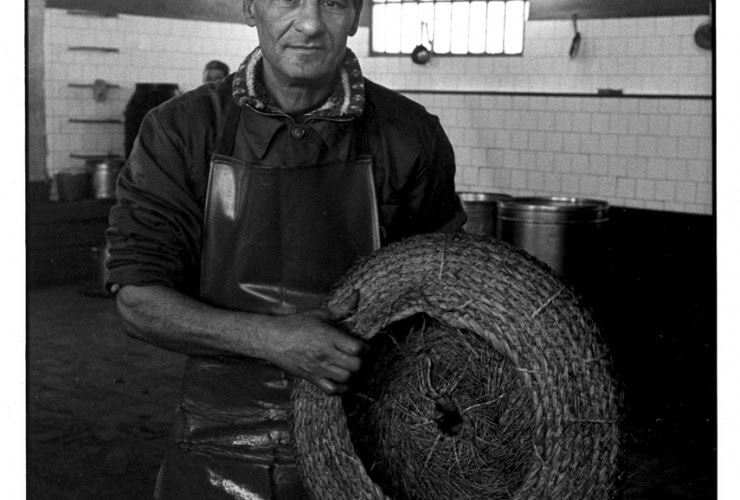
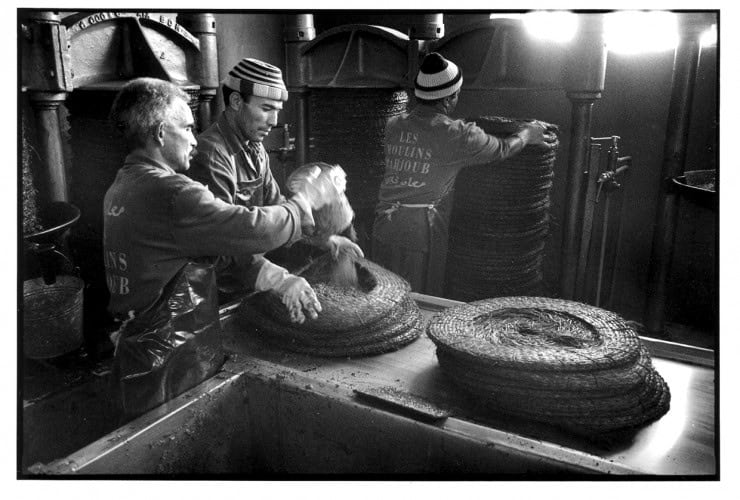
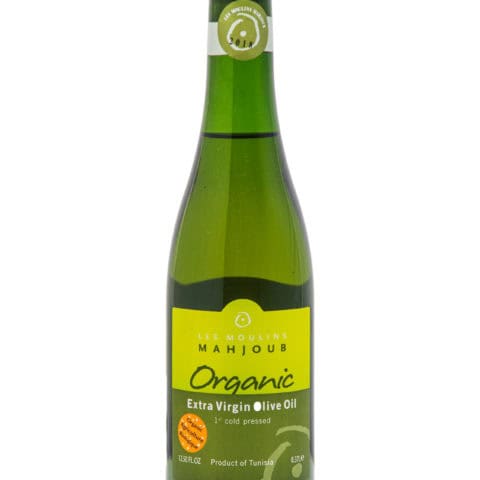
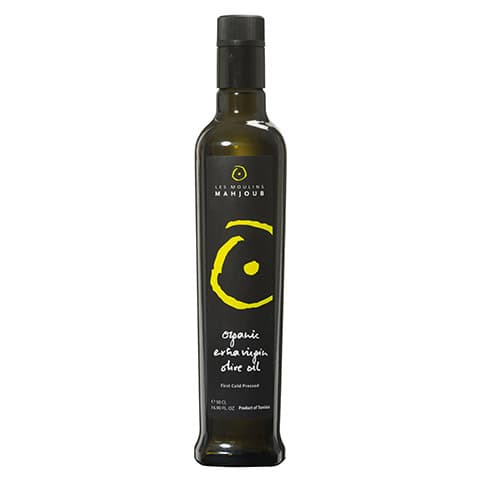
Their ancient stone mill dates to Carthaginian times. Chetoui olives are crushed by granite millstones in a genuine first cold pressing, the paste layered between natural fiber mats in a vertical press, then decanted a la feuille—by hand, drop by precious drop.
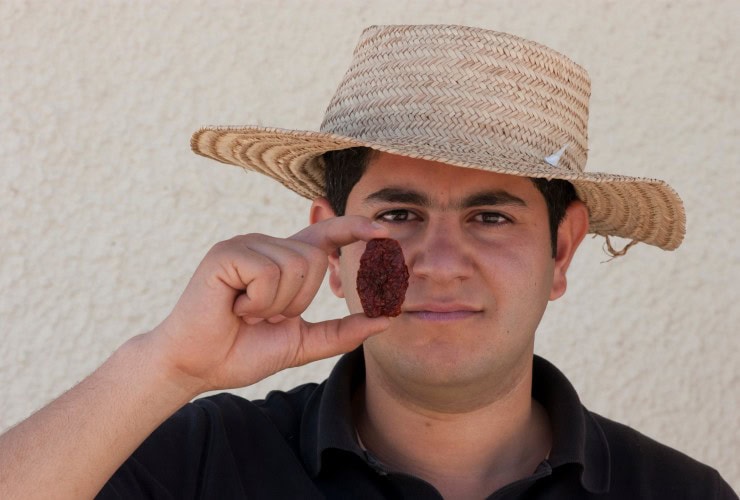
Their table olives are made without lye, citrus, or shortcuts. Just salt and time. The green Meski olives are hand-incised (never crushed) to preserve the meaty flesh during the nine-month natural brine cure. The tiny, dark violet Sahli olives spend those same months developing their rich, buttery character. Both native Tunisian varieties, both worth the wait.
Explore our Les Moulins Mahjoub Collection
Olive Oil
Condiments
-
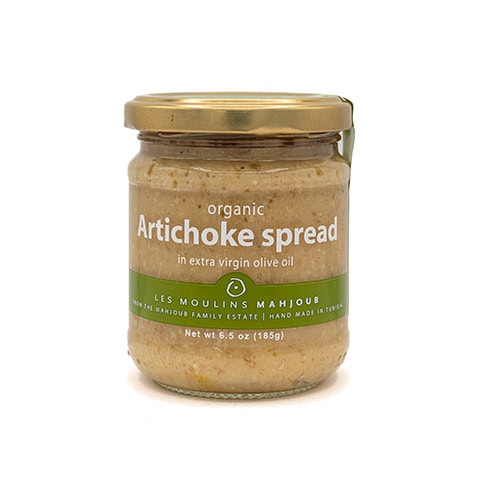
 Artichoke Spread (organic)
 -
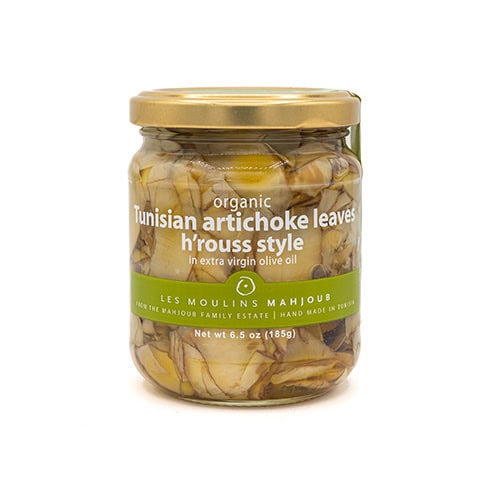 Artichoke Leaves H’rouss Style (organic)
 -
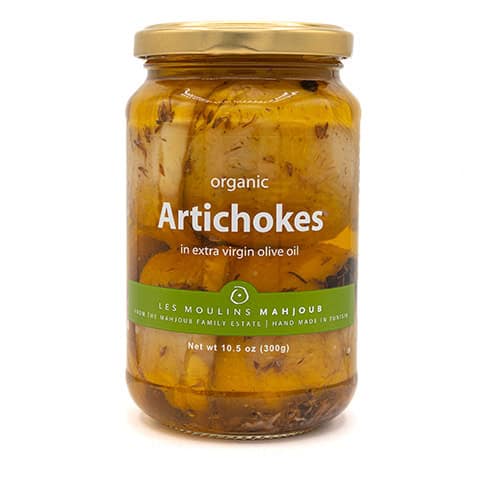 Artichokes in Extra Virgin Olive Oil (organic)
 -
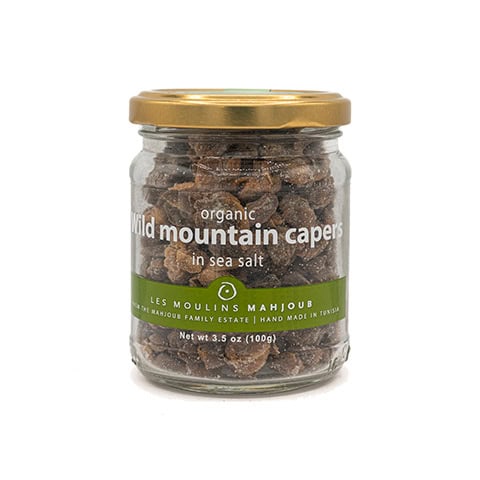 Wild Mountain Capers in Sea Salt (organic)
 -
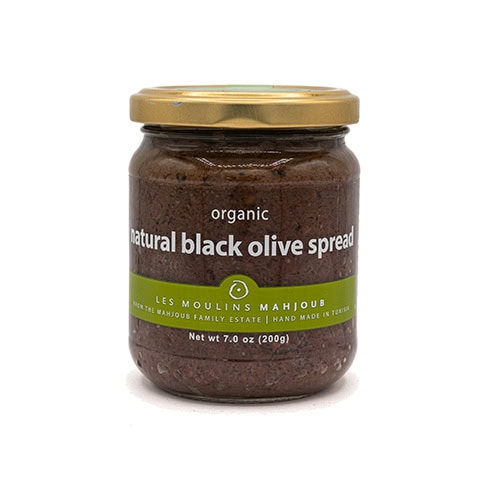 Natural Black Olive Spread (organic)
 -
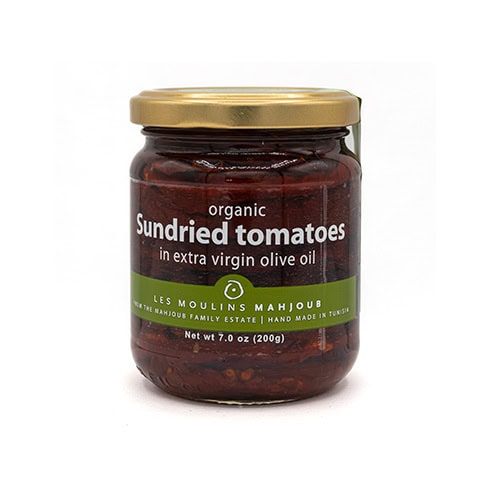 Sun-Dried Tomatoes (organic)
 -
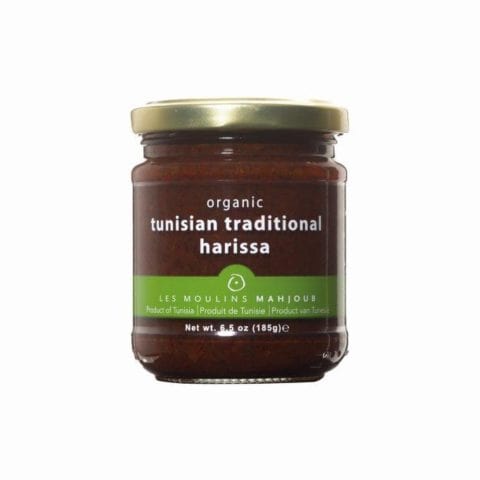 Tunisian Traditional Harissa (organic)
 -
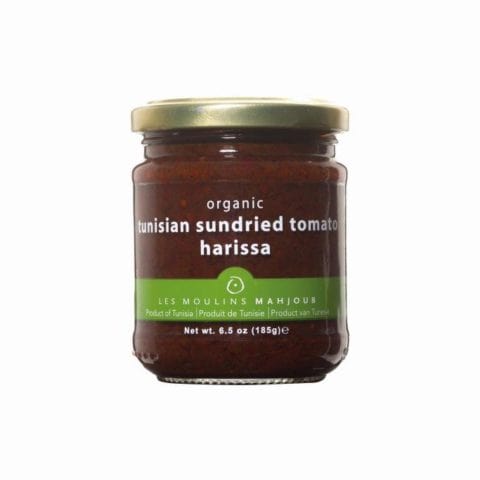 Tunisian Sundried Tomato Harissa (organic)
 -
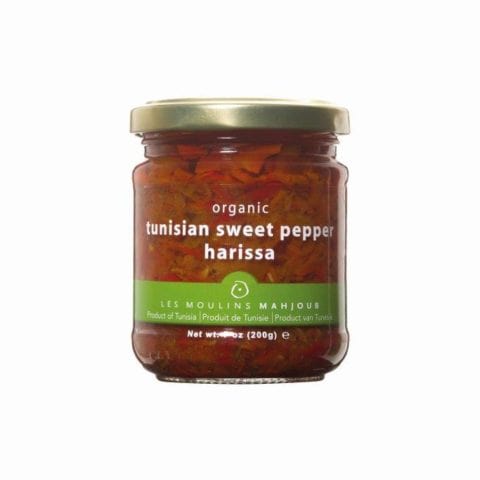 Tunisian Sweet Pepper Harissa (organic)
 -
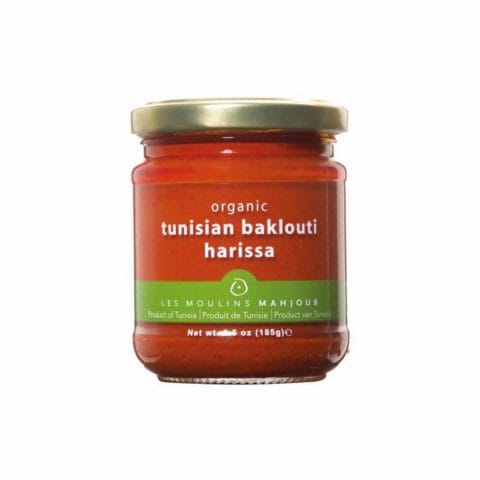 Tunisian Baklouti Harissa (organic)
Olives & Fermentations
-
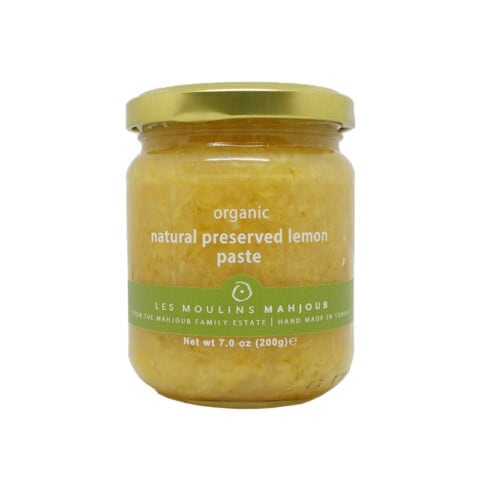 Organic Preserved Lemon Paste
 -
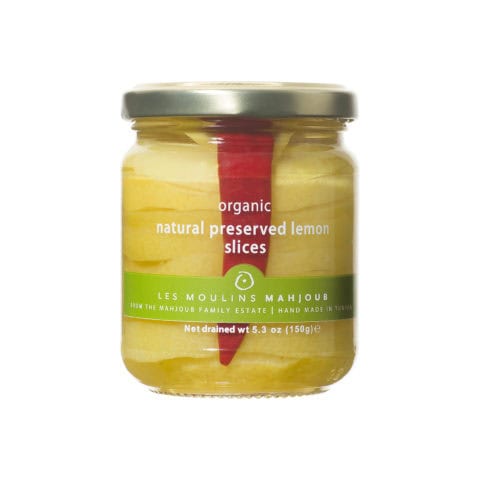 Natural Preserved Lemon Slices (organic)
 -
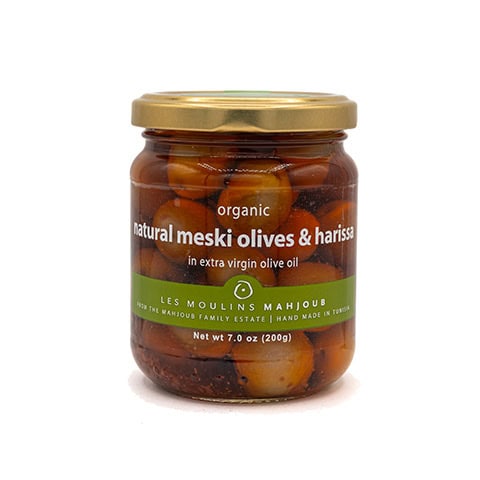 Natural Meski Olives & Harissa (organic)
 -
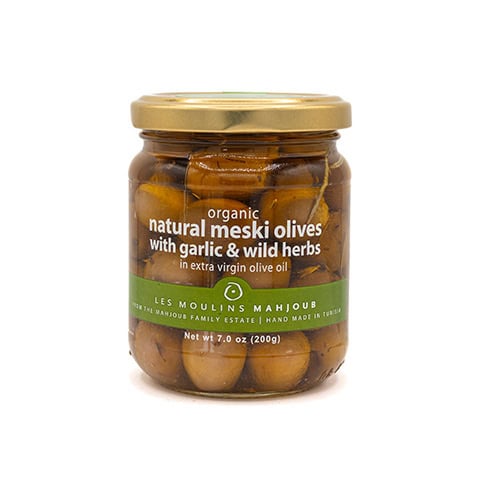 Natural Meski Olives & Garlic & Wild Herbs (organic)
 -
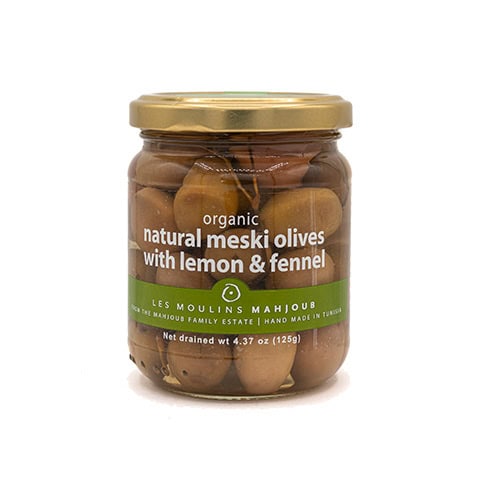 Natural Meski Olives with Lemon & Fennel (organic)
 -
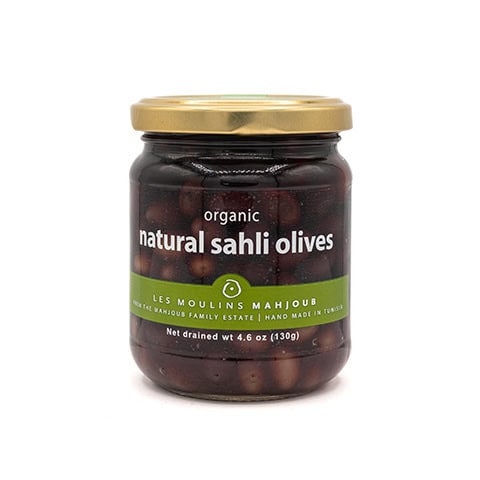 Natural Sahli Olives (organic)
 -
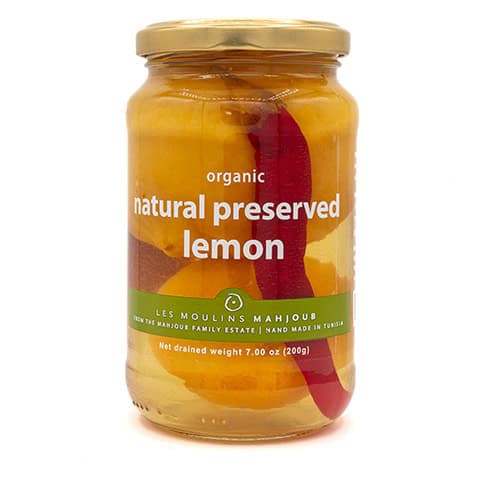 Natural Preserved Lemons (organic)
Pasta
-
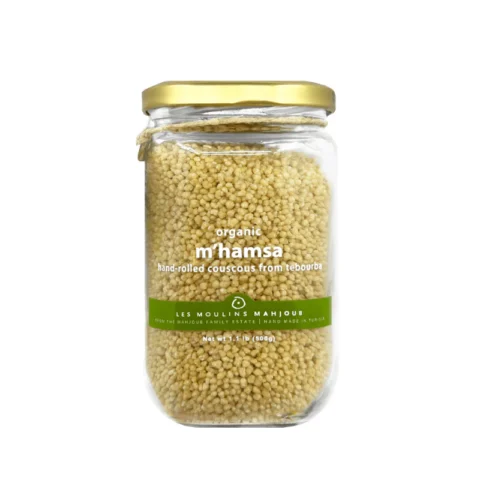 M’Hamsa Hand-rolled Couscous (organic)
 -
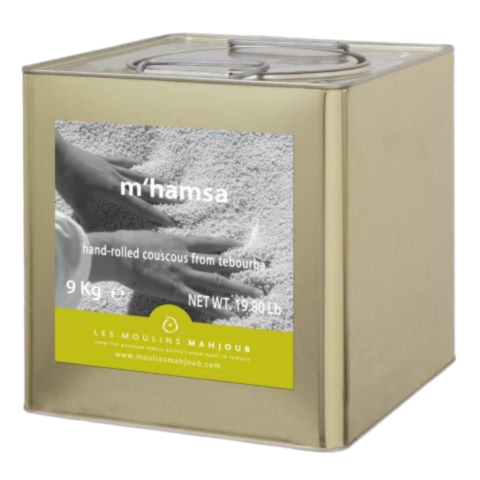 M’Hamsa Hand-rolled Bulk Couscous (organic)
 -
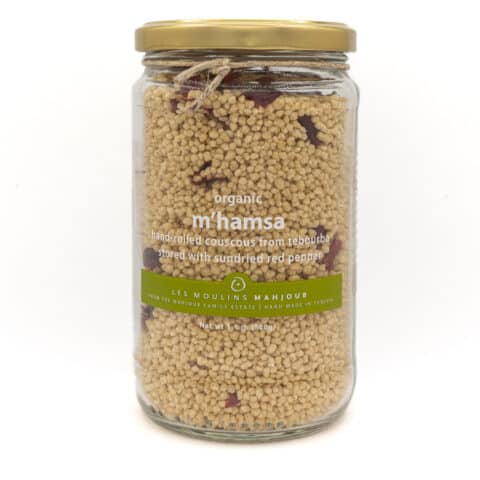 M’Hamsa Hand-rolled Couscous stored with peppers (organic)
 -
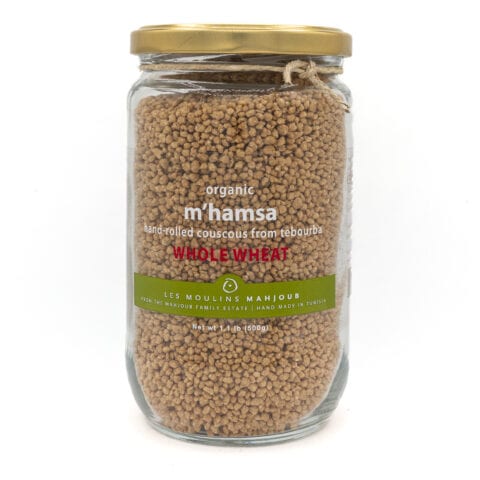 M’Hamsa Hand-rolled Whole Wheat Couscous (organic)
Sauces, Tomatoes, & Peaches
-
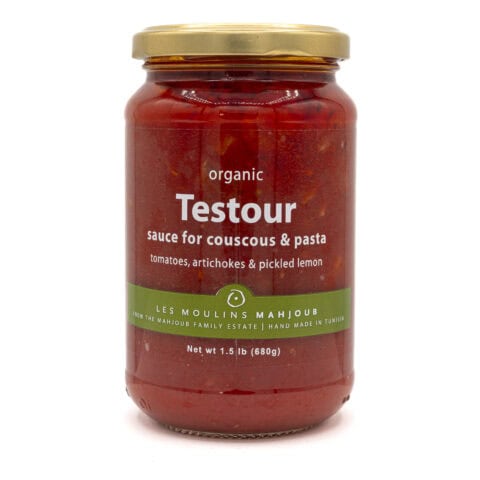 Testour Sauce for Couscous & Pasta (organic)
 -
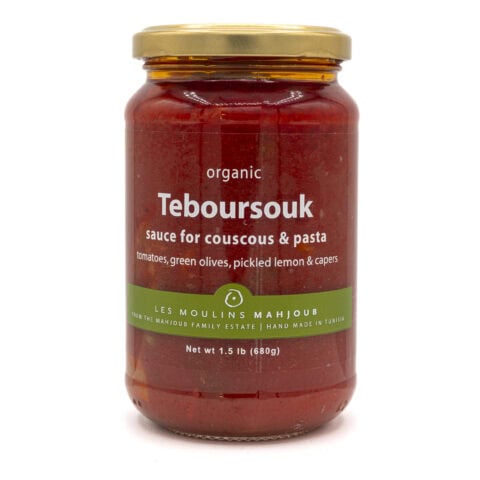 Teboursouk Sauce for Couscous & Pasta (organic)
 -
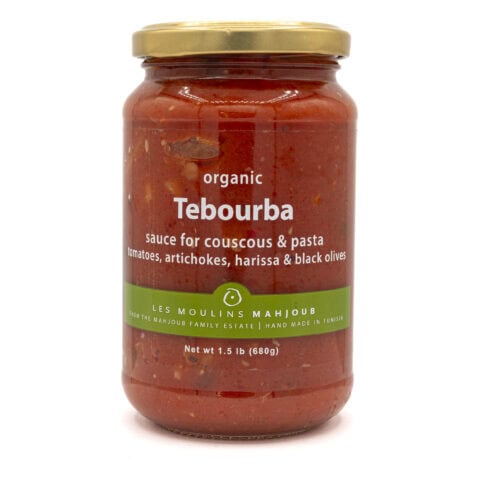 Tebourba Sauce for Couscous & Pasta (organic)
 -
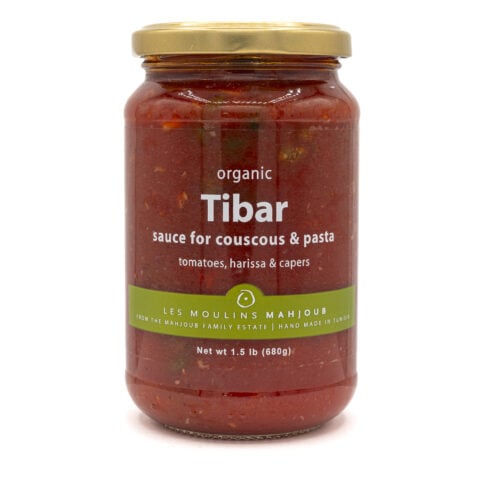 Tibar Sauce for Couscous & Pasta (organic)
 -
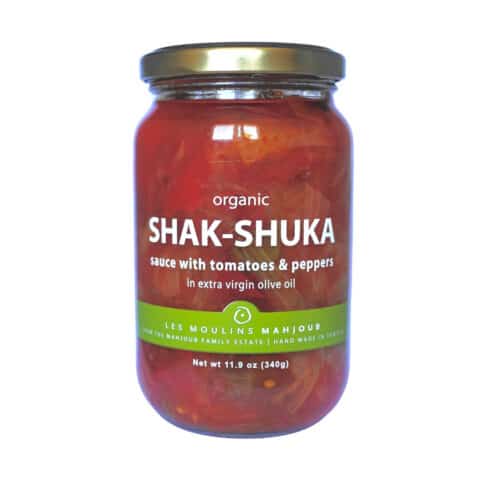 Shak Shuka (organic)
Marmalade, Jam & Chutney
-
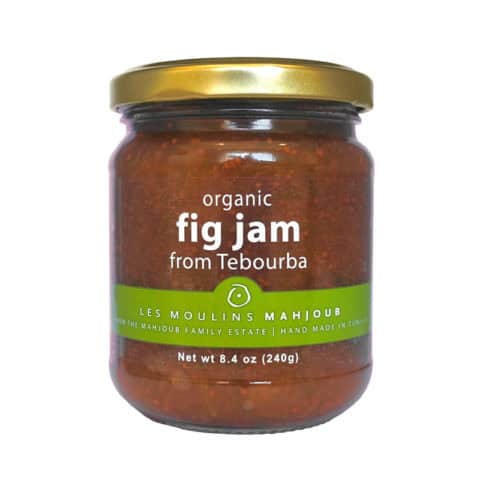 Jam, Fig (organic)
 -
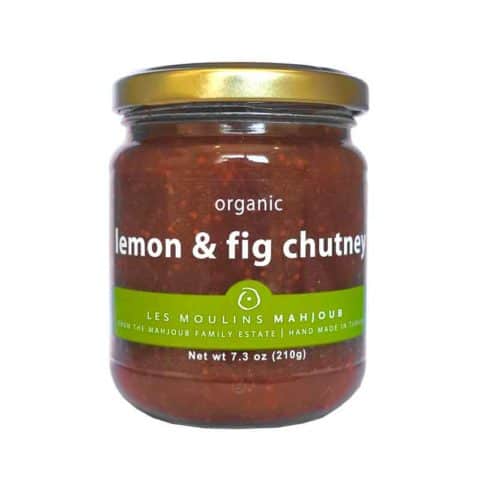 Chutney, Lemon & Fig (organic)
 -
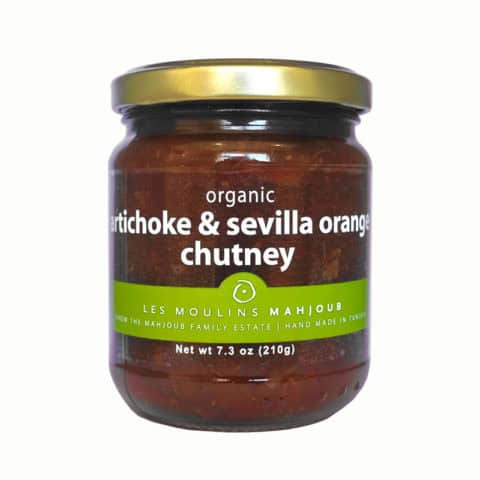 Chutney, Artichoke & Sevilla Orange (organic)
 -
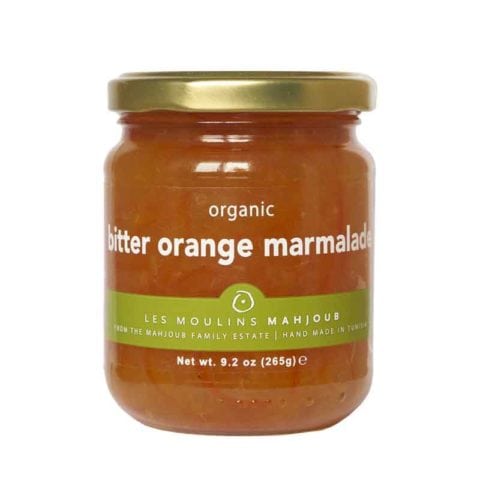 Bitter Orange Marmalade (organic)
 -
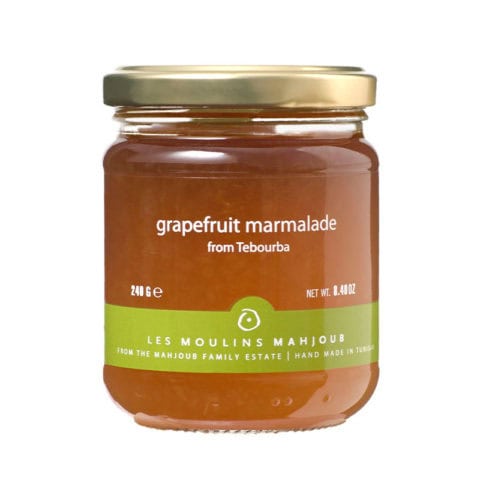 Grapefruit Marmalade
 -
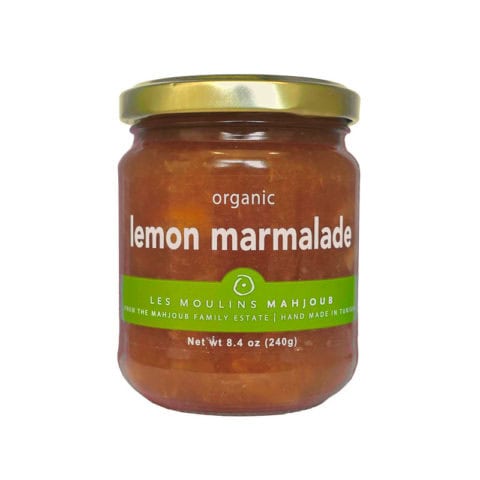 Marmalade, Lemon (organic)
 -
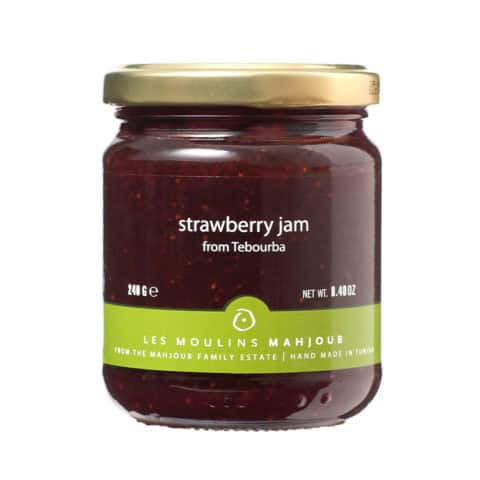 Jam, Strawberry
 -
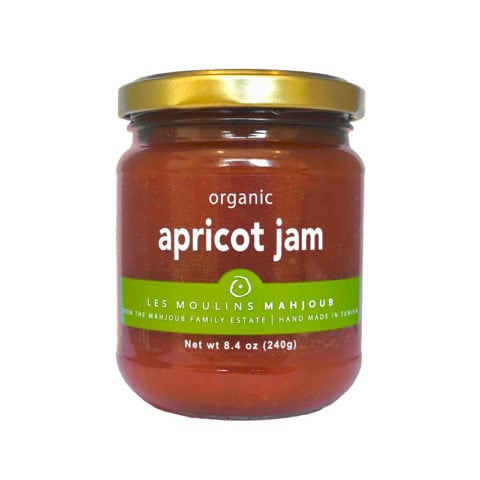 Jam, Apricot (organic)
 -
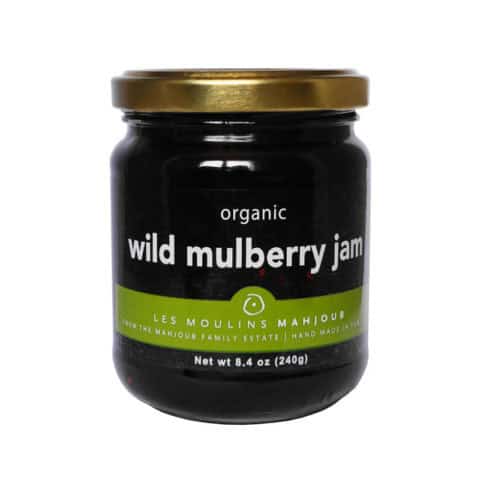 Wild Mulberry Jam (organic)